How to See the ISS Tonight: A Beginner's Guide to Spotting the Space Station
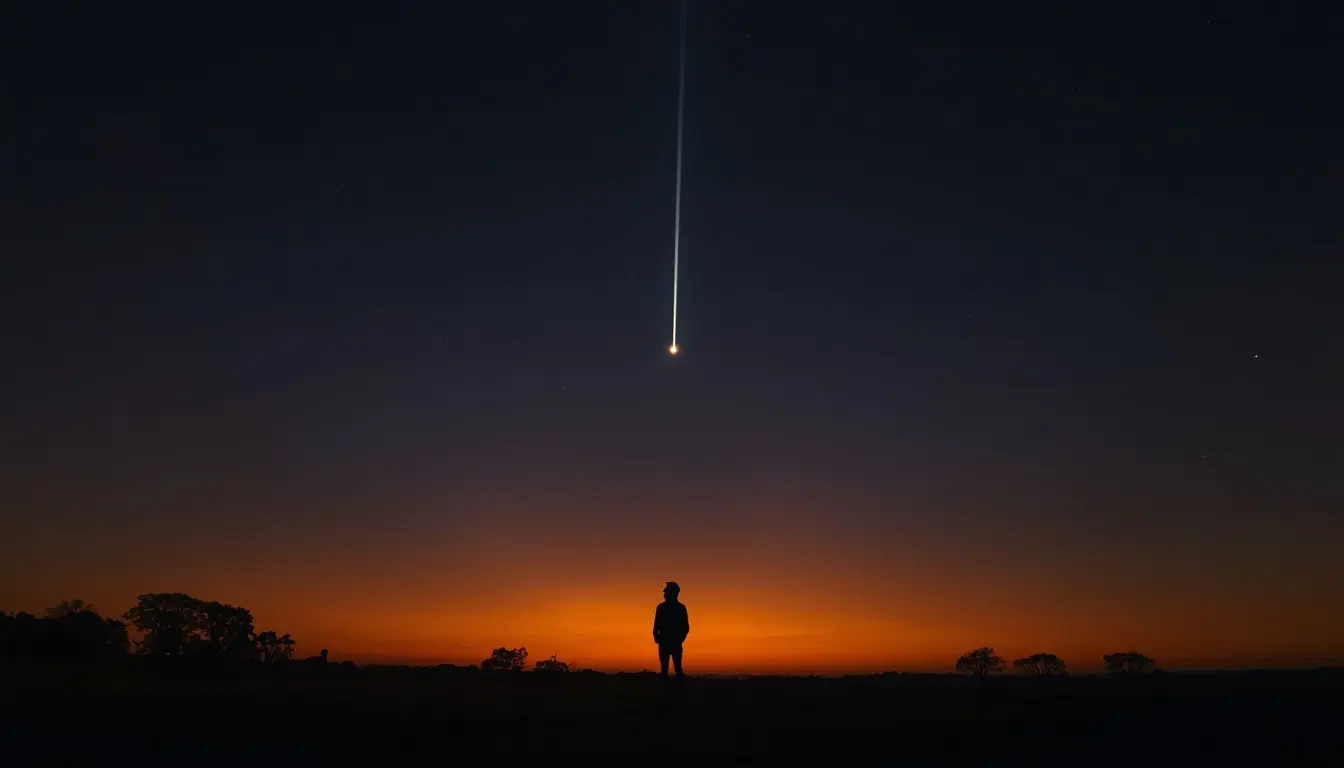
The International Space Station is one of the easiest things in the night sky to spot — brighter than almost any star, moving steadily across the sky in a straight line, visible to the naked eye from almost anywhere on Earth. You don't need a telescope, binoculars, or any experience. You just need to know when and where to look.
Here's everything a complete beginner needs to catch it tonight.
What You're Actually Looking For
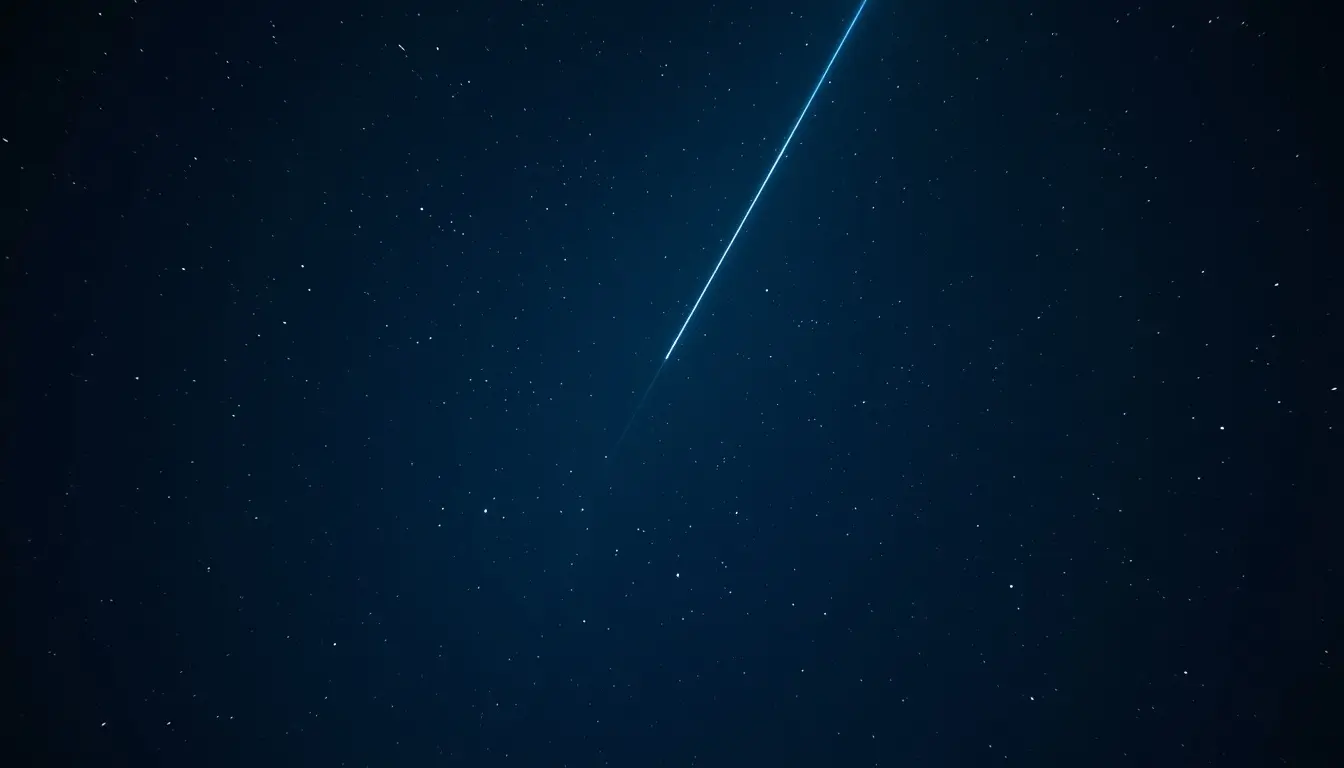
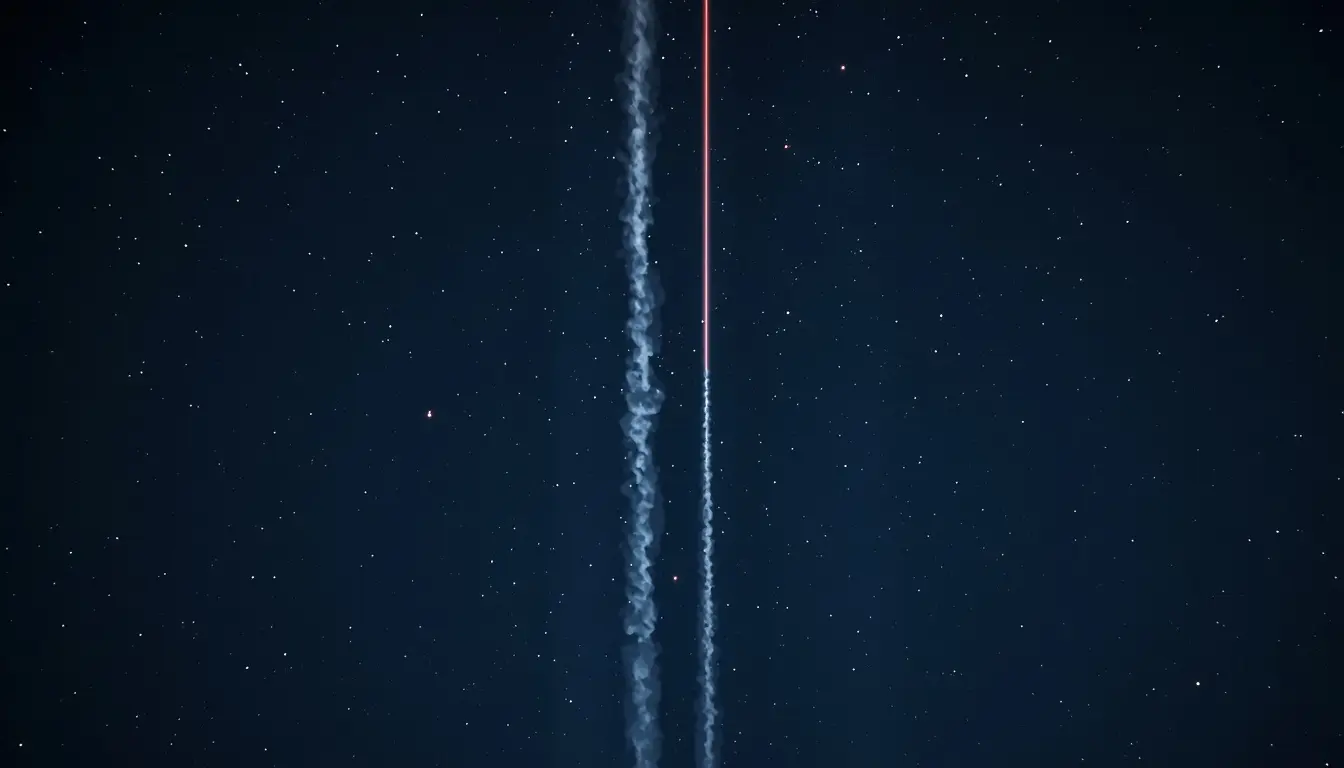
The ISS looks like a very bright, steady, white point of light — similar to a star or planet, but moving smoothly and quickly across the sky, taking about 4–6 minutes to cross from horizon to horizon. It doesn't blink like an aircraft, doesn't have colored lights, and doesn't make any sound. Once you've seen it once, you'll never mistake it for anything else again.
It's bright enough to see from cities, though a clearer, darker sky always helps.
Why You Can't See It Just Any Time
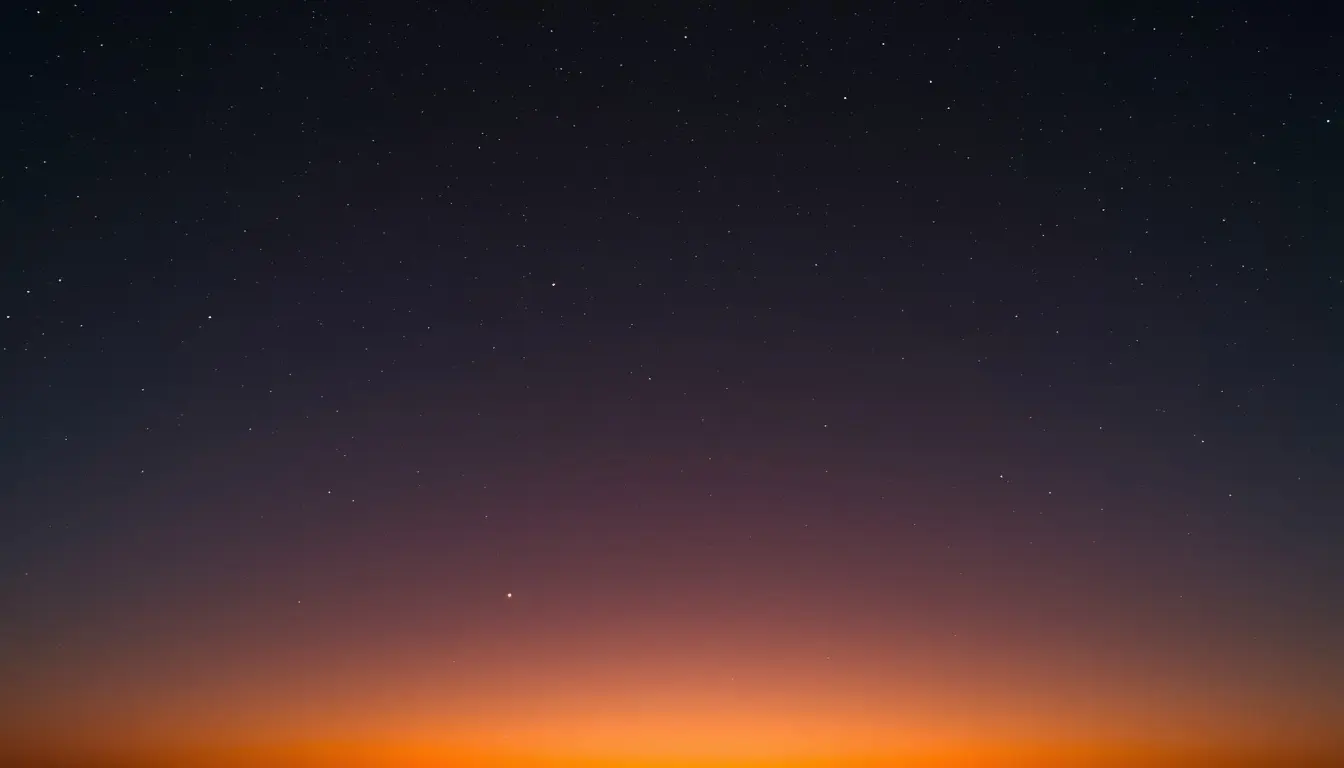
This trips up almost every beginner: the ISS is only visible during a specific window — shortly after sunset or shortly before sunrise — and only on nights when its orbit actually passes near your location.
Here's why: the ISS doesn't produce its own light. What you're seeing is sunlight reflecting off the station, the same way the Moon reflects sunlight. For that reflection to reach your eyes, the ISS needs to still be in direct sunlight (it's about 400 km up, so it catches sun long after your local ground is dark) while the sky above you is dark enough to see it. That combination only happens in the twilight windows just after sunset and just before sunrise.
During the middle of the night, the ISS is usually in Earth's shadow — it's still up there, just not lit up, so it's invisible even on a perfectly clear night.
Step-by-Step: How to Actually See It Tonight
- Check tonight's pass times for your location. Open OrbitMap and use Next Pass Alerts — it tells you the exact time, direction, and how high the ISS will rise above your horizon for your specific location.
- Note the direction and elevation. Passes are described by compass direction (e.g. "rises in the northwest, sets in the southeast") and maximum elevation in degrees above the horizon. A pass with a higher maximum elevation (closer to directly overhead) will generally be brighter and easier to see than a low, skimming pass.
- Get outside a few minutes early. Give your eyes a minute or two to adjust, and find a spot with a clear view in the direction the pass will start.
- Use "What's Above Me?" OrbitMap's What's Above Me? view shows you exactly where to look in real time, so you're not guessing which patch of sky to watch.
- Watch for a steady, fast-moving bright light. It'll typically be the brightest moving object in the sky — often brighter than any star, sometimes even brighter than Venus on a good pass.
- Track it until it fades or sets. The pass ends either when the ISS drops below your horizon, or when it flies into Earth's shadow mid-pass and simply vanishes — that's normal, not a glitch.
Common Beginner Mistakes
- Looking on a random night without checking pass times — the ISS isn't visible every night from every location; it depends on your specific location's orbit geometry that night
- Looking in the middle of the night — outside the twilight window, it's almost always in Earth's shadow
- Confusing it with a plane — planes blink with red and white lights and usually make noise; the ISS is a steady, silent light
- Giving up after one cloudy night — passes happen on a rotating schedule, so check again the next clear night
Do You Need Any Equipment?
No. The ISS is visible to the naked eye — that's actually part of what makes it fun to spot. If you want to see more than just a point of light, a pair of binoculars (10x–12x magnification) can help you make out its elongated shape, but they're optional, not required for a first sighting.
Best Conditions for a Great View
- Clear skies with minimal cloud cover
- A pass with a high maximum elevation (closer to overhead, rather than skimming the horizon)
- Away from direct bright lights if possible, though the ISS is bright enough to see even from most cities
- Early evening or pre-dawn passes tend to draw the biggest crowds since they don't require staying up late or waking up early
Track Tonight's Pass
The whole process comes down to one thing: knowing exactly when and where to look. That's what a live tracker is for.
👉 Check tonight's ISS pass times on OrbitMap — free, real-time, no signup required.
See it live, right now
Launch the interactive 3D tracker and watch real satellites orbit Earth in real time.
Launch the Tracker →