Skyroot Aerospace: The Company Behind India's First Private Orbital Rocket
The Company That Just Made Space History
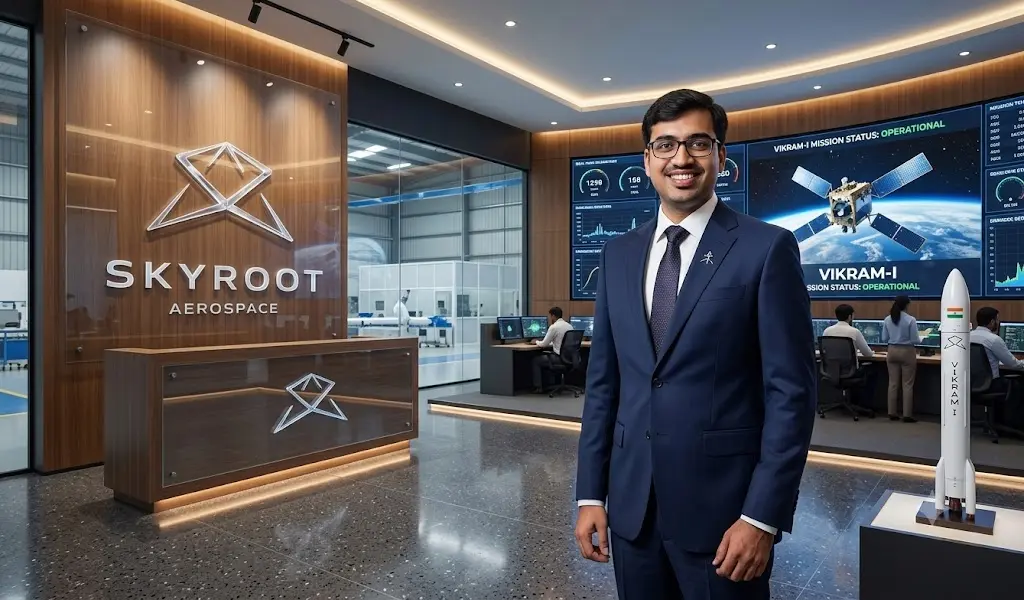
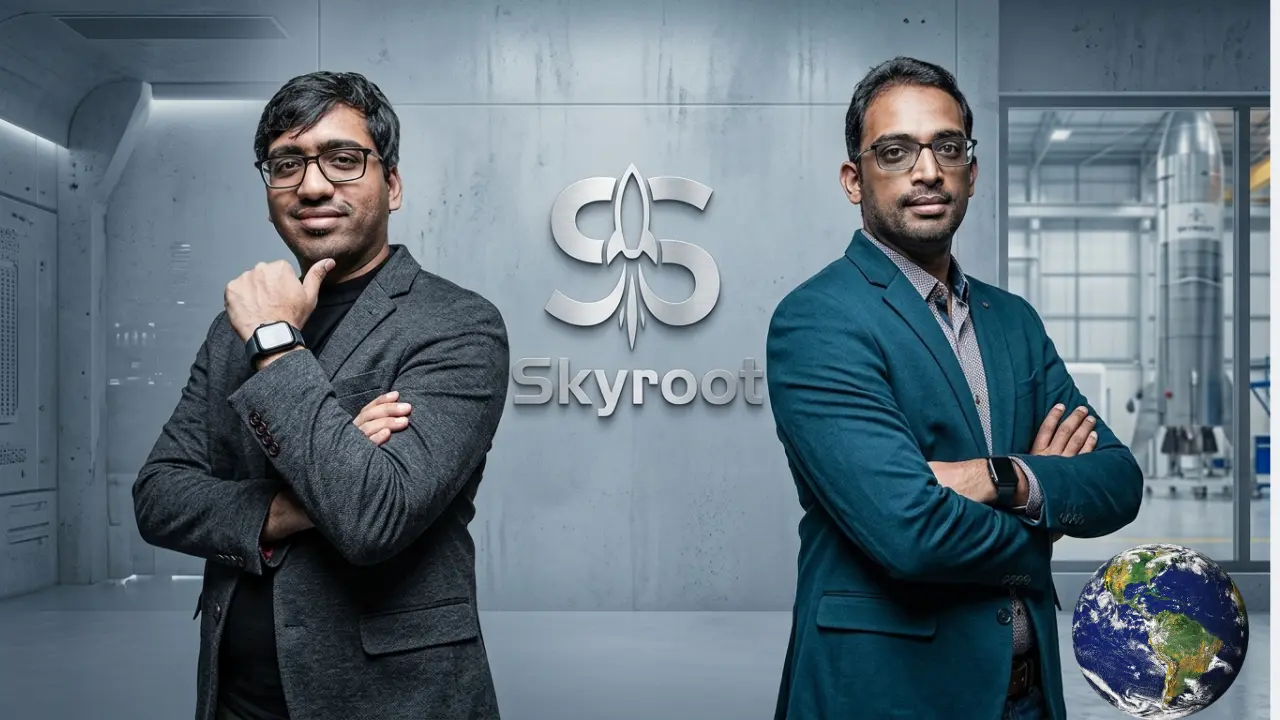
When Vikram-1 lifted off from Sriharikota on July 18, 2026, most of the headlines went to the rocket. But the bigger story is the company behind it: Skyroot Aerospace, a Hyderabad-based startup that didn't exist until 2018 and has since become India's first private company capable of reaching orbit — and its first space-tech unicorn.
Quick answer: Skyroot Aerospace is an Indian private space company founded in 2018 by two former ISRO scientists. It builds the Vikram family of orbital rockets, successfully launched its first orbital mission (Vikram-1) in July 2026, and is valued at over $1.1 billion.
- Founded 2018 in Hyderabad by Pawan Kumar Chandana and Naga Bharath Daka
- First Indian private company to reach space (Vikram-S, 2022) and to reach orbit (Vikram-1, 2026)
- Backed by Temasek, GIC, BlackRock, and other major investors; crossed $1.1B valuation in May 2026
Who Started Skyroot, and Why
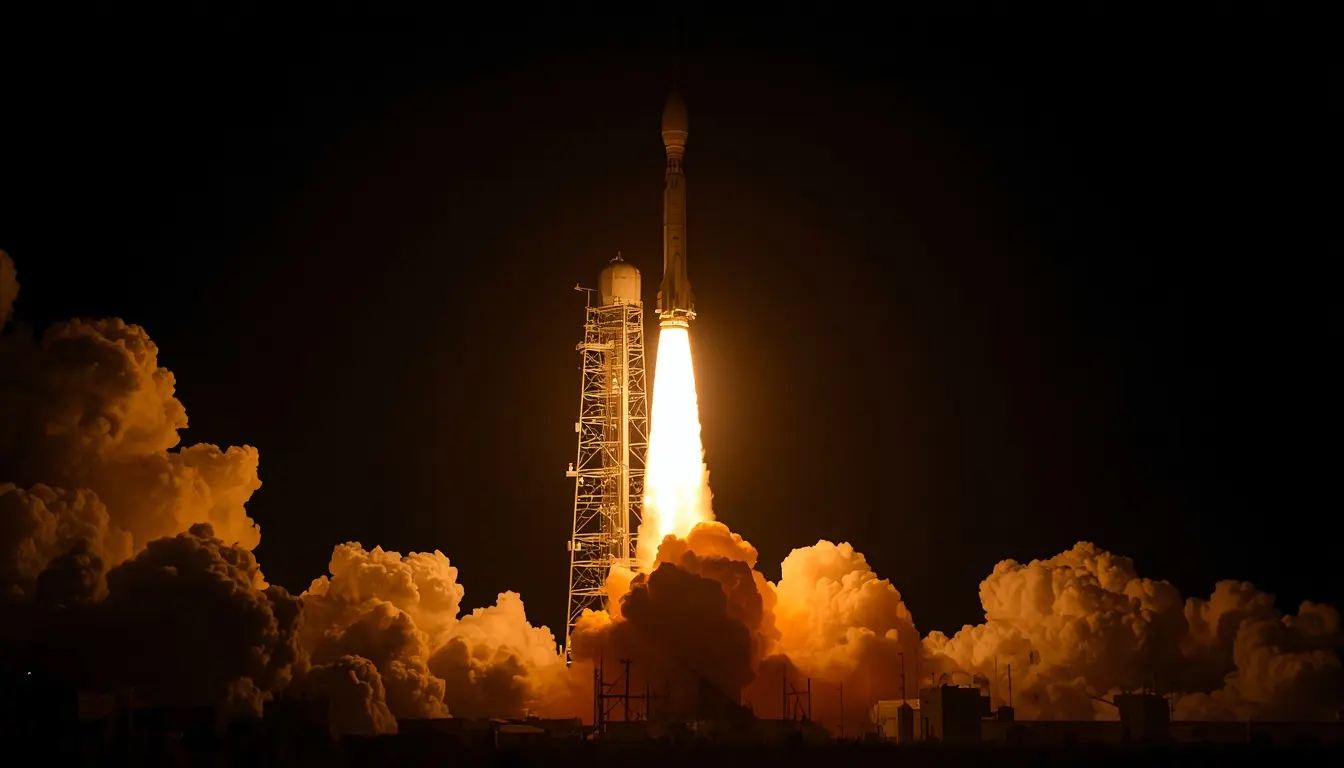
Skyroot Aerospace was founded in 2018 by Pawan Kumar Chandana and Naga Bharath Daka, both IIT alumni who left research roles at ISRO to build a private rocket company from scratch. They were joined early on by other former ISRO and defense-research scientists — giving the young startup a founding team with direct experience building spacecraft for India's national space agency.
Their timing mattered. In May 2020, India's government formally opened the space sector to private companies for the first time, with Finance Minister Nirmala Sitharaman describing the private sector as a "co-traveler" in India's space journey. The Indian National Space Promotion and Authorisation Centre (IN-SPACe) was set up soon after to license and support exactly the kind of company Skyroot was trying to become.
Skyroot's pitch was simple: build small, responsive rockets that could act as a "cab to space" — letting satellite operators book a launch tailored to their specific orbit, rather than waiting to share space on a much larger national rocket.
From First Engine Test to First Orbit: A Fast Six Years
Skyroot's timeline moved quickly for a hardware company:
| Year | Milestone |
|---|---|
| 2018 | Company founded in Hyderabad |
| 2020 | First engine test (scaled-down solid-fuel engine, "Kalam-5") |
| Nov 2022 | Vikram-S sub-orbital flight succeeds — India's first private rocket to reach space |
| Oct 2023 | Vikram-1 rocket unveiled at Skyroot's headquarters |
| Nov 2025 | "Infinity Campus" facility inaugurated by PM Modi, built to produce one orbital rocket a month |
| May 2026 | Skyroot crosses $1.1 billion valuation, becoming India's first space-tech unicorn |
| Jul 2026 | Vikram-1 reaches orbit on its first attempt — Mission Aagaman |
Vikram-S, Skyroot's 2022 sub-orbital demonstrator, proved the company could build and fly a rocket. Vikram-1, its 2026 orbital rocket, proved it could actually deliver a paying customer's satellite into a stable orbit — the difference between a test flight and a real commercial launch service.

Funding and Backers
Skyroot has raised more than $150 million across a dozen-plus funding rounds since its first raise in 2018, according to company-tracking databases. Its investor list includes some heavyweight names for an Indian deep-tech startup:
- Temasek Holdings and GIC (Singapore's state investment funds)
- BlackRock, which provided debt financing in early 2026
- Sherpalo Ventures, the VC firm of Google founding board member Ram Shriram
- Mukesh Bansal (Myntra/CureFit founder), an investor since Skyroot's earliest days
- Solar Industries India, a recurring backer across several rounds
In May 2026, a fresh funding round pushed Skyroot's valuation past $1.1 billion, making it India's first dedicated space-tech unicorn. The company has also grown its headcount substantially, with employee counts across various trackers now ranging from roughly 900 to over 1,100 people.
Building the Infrastructure to Match the Ambition
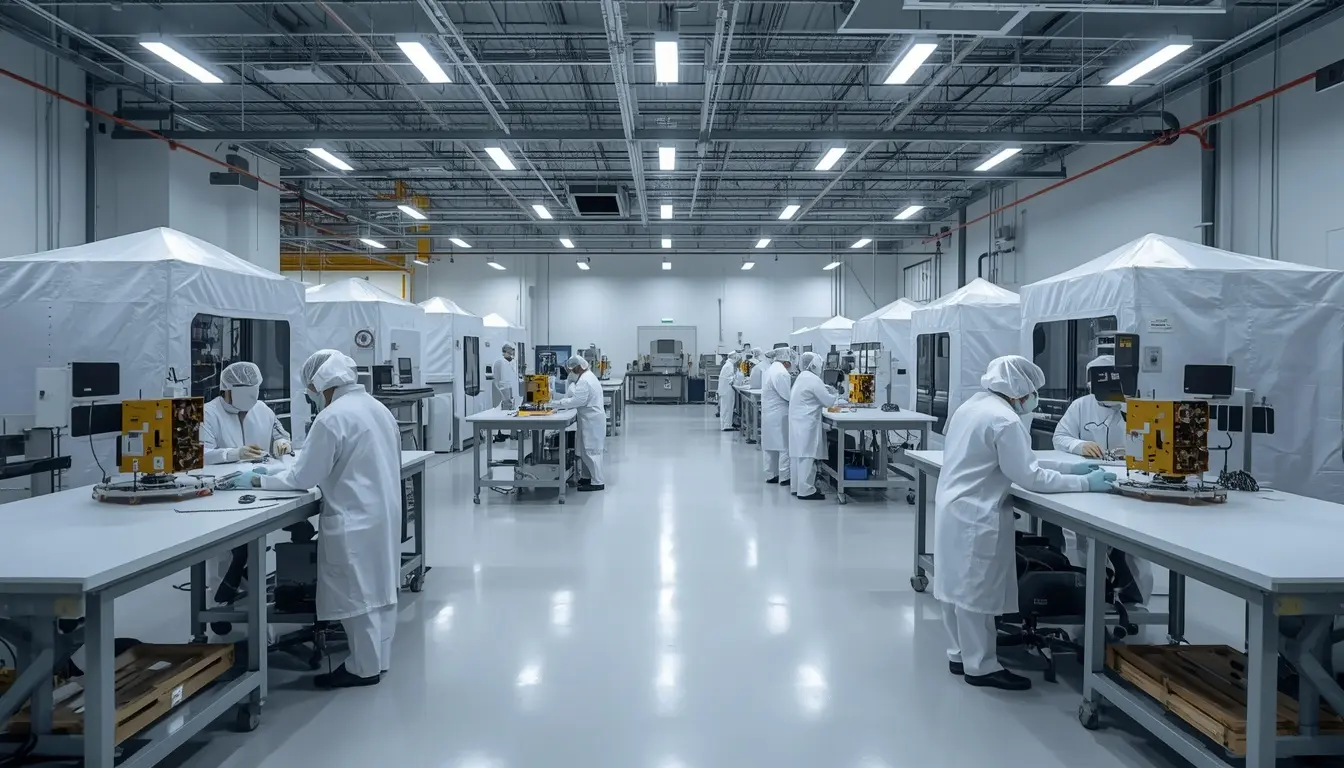
In January 2025, the Government of Telangana signed an agreement with Skyroot to build an integrated rocket manufacturing, integration, and testing facility in the state, backed by an estimated ₹500 crore investment. That facility, Skyroot's "Infinity Campus," was inaugurated by Prime Minister Narendra Modi in November 2025 — roughly 2 lakh square feet of workspace designed with the capacity to build one orbital rocket every month, a manufacturing cadence far beyond what a single test-flight program would need.
What Skyroot Is Building Next
With Vikram-1 now proven, Skyroot's roadmap continues with two follow-on vehicles: Vikram-1U, an upgraded variant with added solid boosters targeting around 550 kg to Low Earth Orbit, expected in early 2027; and Vikram-II, a larger rocket powered by a new cryogenic engine aimed at roughly 900 kg to LEO, also planned for 2027.
Why Skyroot's Story Matters Beyond One Company
Skyroot becoming India's first private company to reach orbit isn't just a milestone for one startup — it's a signal that India's 2020 decision to open the space sector to private players is starting to produce real, flight-proven results. For satellite operators, researchers, and other space companies, it means a genuine domestic alternative for getting small payloads into orbit, on a schedule set by the customer rather than a national launch manifest.
See it live, right now
Launch the interactive 3D tracker and watch real satellites orbit Earth in real time.
Launch the Tracker →