Starlink Train: What It Is, Why You're Seeing a Line of Lights in the Sky, and When to Watch
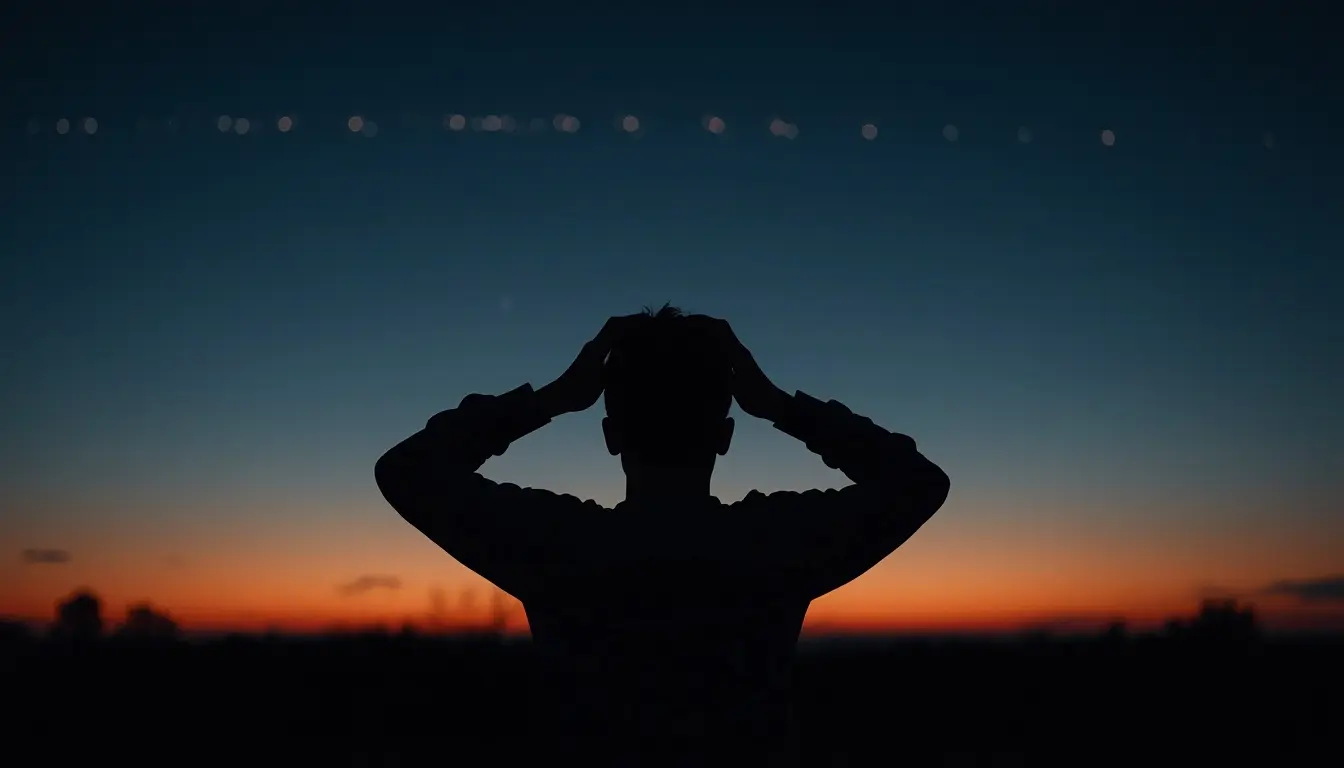
If you've ever looked up at night and seen a perfectly straight line of bright dots gliding silently across the sky — not blinking like planes, not scattered like stars — you weren't imagining it. You saw a Starlink train, and it's one of the strangest, most photogenic things you can spot with the naked eye.
Here's exactly what it is, why it happens, and how to know when one is passing over you.
What Is a Starlink Train?
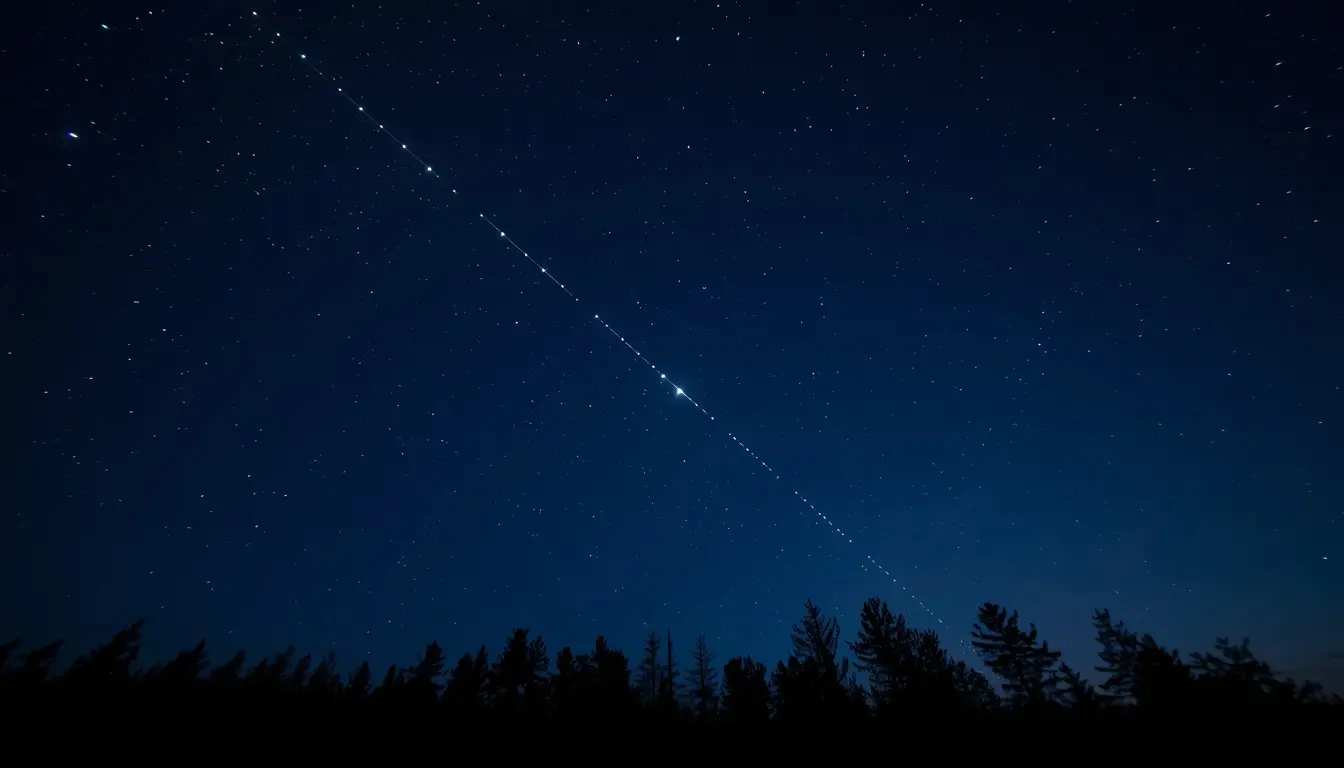
A "Starlink train" is a string of SpaceX Starlink internet satellites, launched together on the same rocket, still flying in a tight line shortly after deployment. A single Falcon 9 launch can carry 20+ satellites at once, and right after they're released from the rocket's upper stage, they haven't yet spread out to their final operational orbits — so for the first few days to few weeks, they cross the sky together like a string of pearls.
Each satellite reflects sunlight off its flat solar panels, which is why the "train" is only visible under specific lighting conditions — more on that below.
Why Does It Look Like a Straight Line?
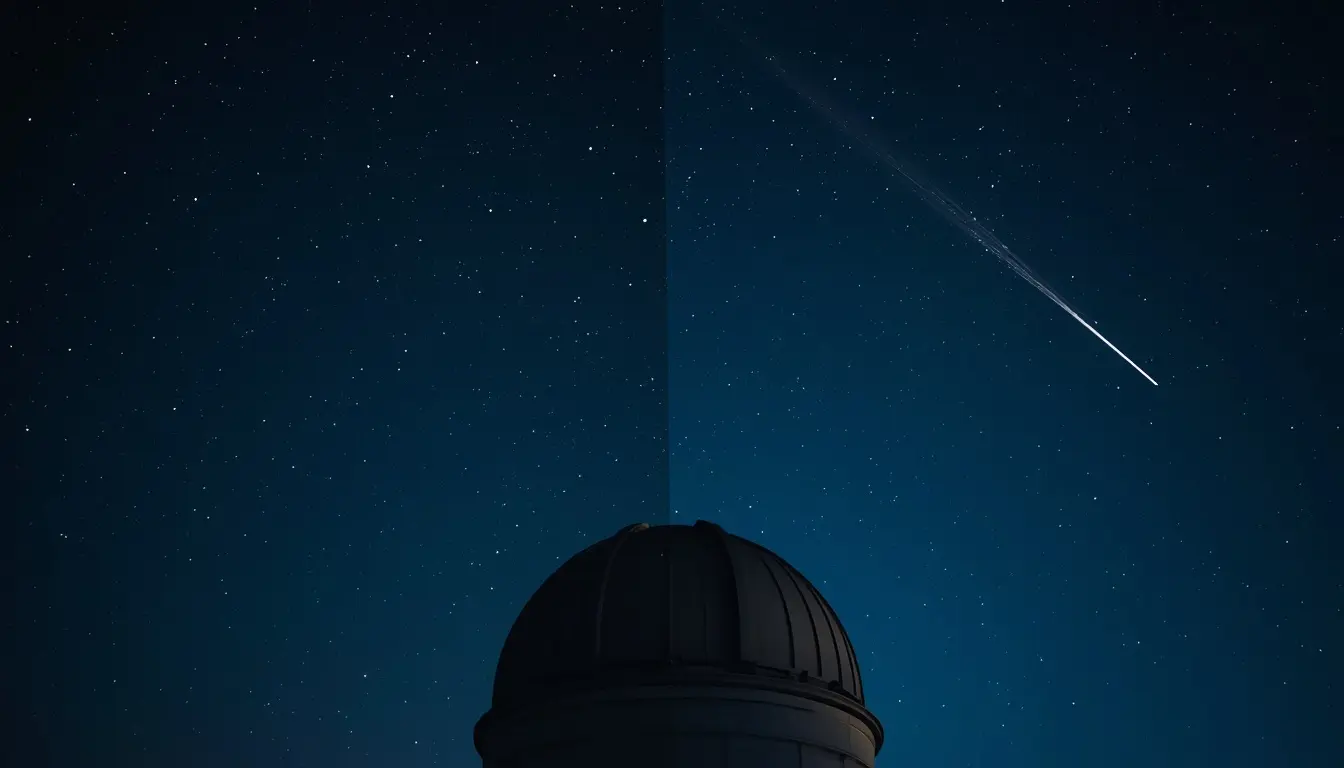
All the satellites in a Starlink train were released from the same rocket stage within seconds of each other, at nearly the same altitude and velocity. Because they haven't yet raised themselves to their final orbital shells or spread out along their orbital planes, they appear to travel in near-perfect formation — evenly spaced, moving at the same speed, in the same direction. Over the following days and weeks, onboard ion thrusters gradually raise and separate each satellite until the train effect disappears completely.
Why You're Only Seeing It Now (Even Though Starlink's Been Launching for Years)
SpaceX has launched thousands of Starlink satellites since 2019, but the visible "train" effect is temporary — it only lasts for the first few days after a specific launch, before the satellites spread out. So what you're seeing depends entirely on when the most recent launch happened relative to when you're looking up — which is exactly why a live tracker is useful here instead of guessing.
When Can You Actually See One?
Three things need to line up:
- A recent Starlink launch — ideally within the last few days, while satellites are still bunched together
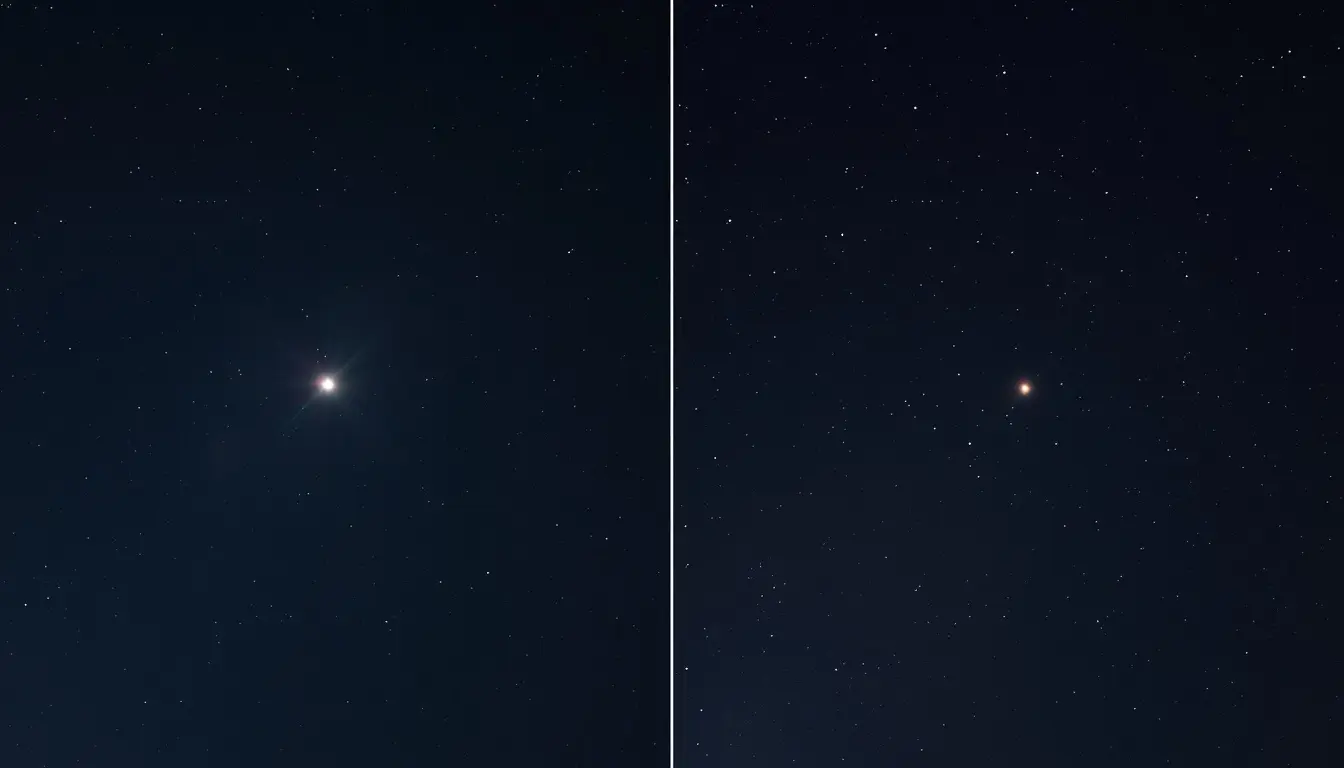
- You're in darkness, but the satellites are in sunlight — this means shortly after sunset or shortly before sunrise, when the sun is below your local horizon but still illuminating objects a few hundred kilometers up
- The pass is overhead — you need the orbital path to actually cross near your location
This is the same visibility principle that makes the ISS visible only in twilight windows, not the middle of the night.
How to Actually Find the Next One
Rather than tracking rocket launch schedules and orbital planes by hand, the fastest way is:
- Open OrbitMap and check for recent Starlink launch batches
- Use the Next Pass Alerts feature to see if a recent batch has a visible pass over your location
- Step outside during the alerted twilight window — you won't need binoculars, the train is visible to the naked eye
- Look for a slow-moving, evenly spaced line of lights — it can take a minute or more to fully cross the sky
What It's Not
A few things people commonly confuse with a Starlink train:
- A meteor shower — meteors are fast, brief streaks that burn up in seconds; a Starlink train moves steadily over a minute or more
- A single bright satellite or the ISS — those are one point of light, not a line
- An aircraft formation — planes blink with red/white anti-collision lights and usually make engine noise; a Starlink train is silent and doesn't blink
Why Astronomers Have Mixed Feelings About Them
While Starlink trains are undeniably fun to watch, they're also a genuine source of frustration in the astronomy community — bright satellite trails can photobomb long-exposure astrophotography and interfere with certain wide-field research surveys. SpaceX has made adjustments over the years (like sun-visors on newer satellites) to reduce reflectivity, which is part of why later-generation trains tend to be dimmer than the earliest ones from 2019–2020.
Catch the Next One
Starlink trains are unpredictable if you're not watching for them, but genuinely easy to catch once you know when to look. The best approach is simple: check for recent launches, watch during twilight, and look for a slow, silent line of lights.
👉 Launch OrbitMap's live tracker to check upcoming passes and catch the next one over your location — free, no signup required.
See it live, right now
Launch the interactive 3D tracker and watch real satellites orbit Earth in real time.
Launch the Tracker →