What is a Satellite? A Beginner’s Guide to the Eye in the Sky
What is a Satellite? A Beginner’s Guide to the Eye in the Sky
Have you ever looked up at the night sky and wondered about those tiny, steady points of light moving faster than stars? No, they aren't UFOs—they are satellites!
For many people, "satellite" sounds like a complicated term reserved only for rocket scientists. But the truth is, satellites are part of your everyday life. Let's break down exactly what they are and why the world would practically shut down without them.
1. What Exactly is a Satellite?
In simple terms, a satellite is anything that orbits (revolves around) a larger object in space.
There are two main types:
- Natural Satellites: The Moon is a natural satellite of Earth.
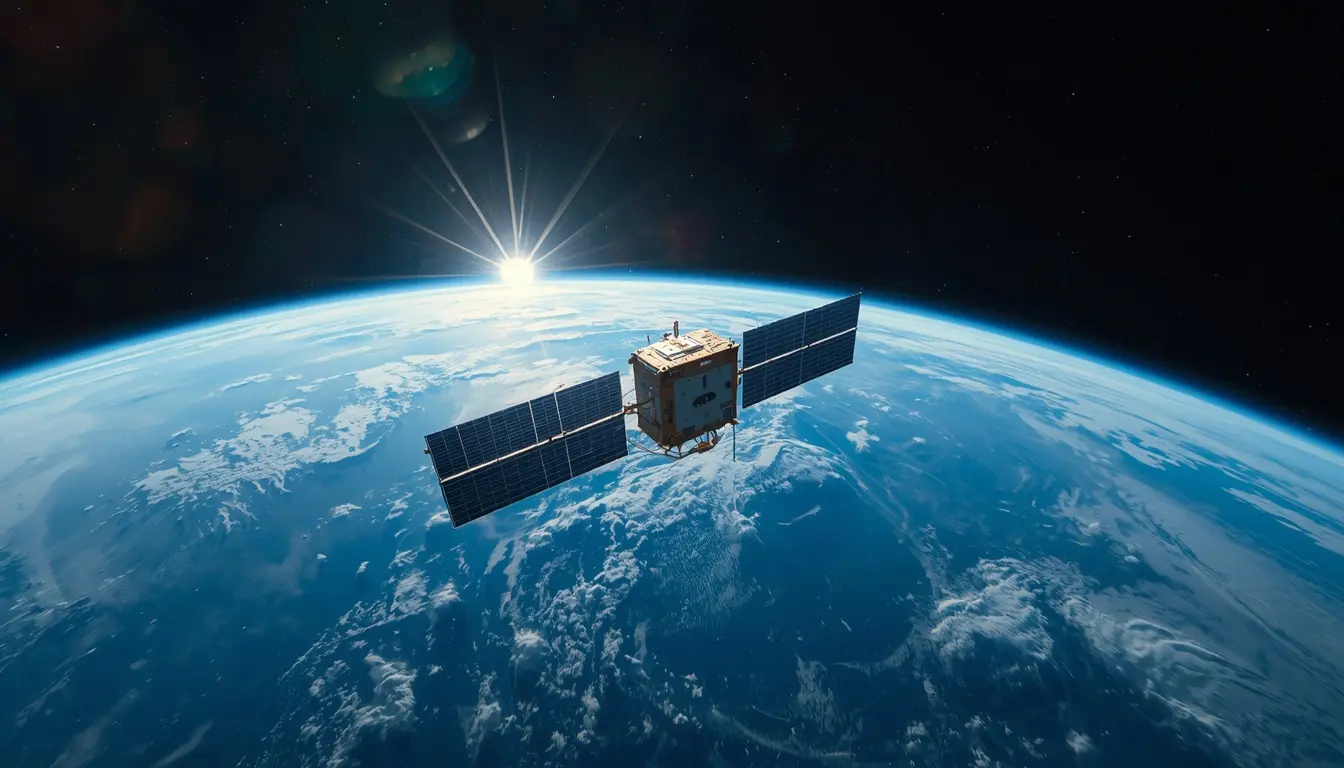
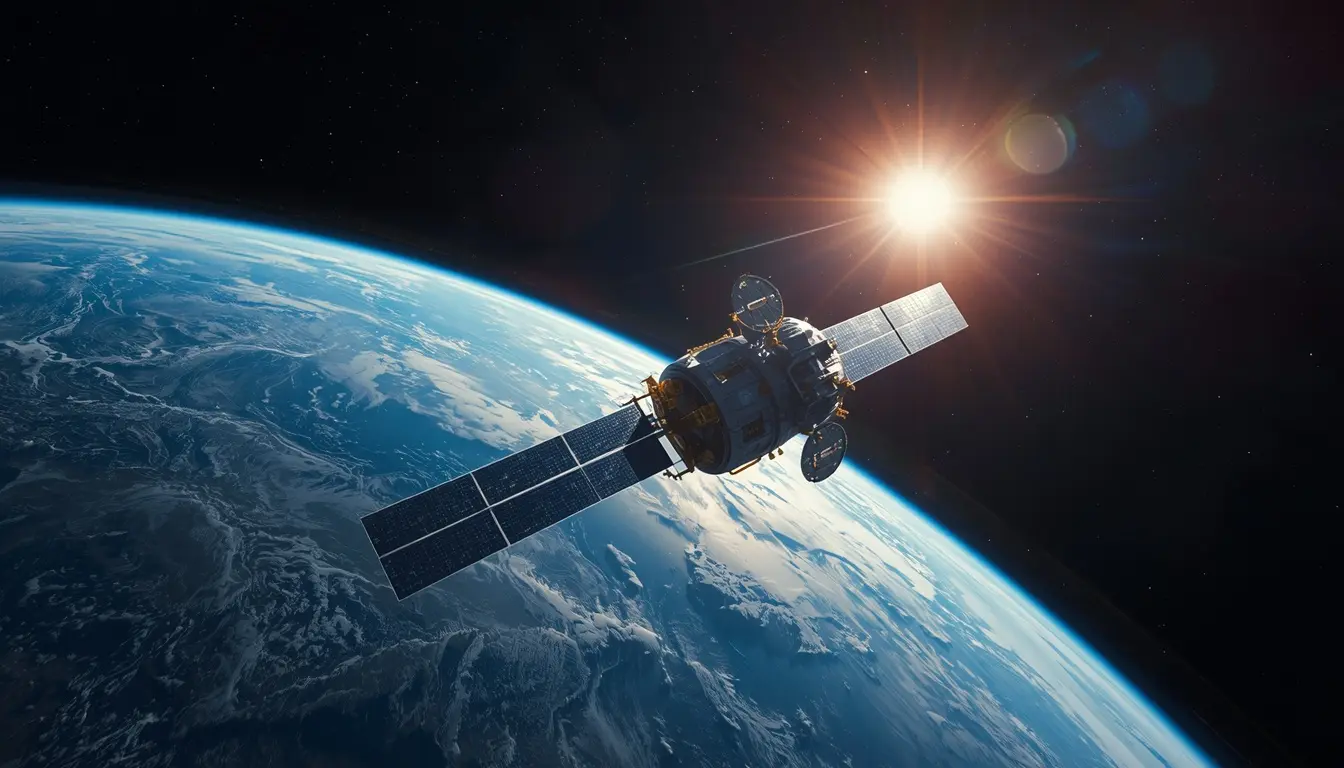
- Artificial Satellites: These are human-made machines built by scientists and engineers, launched into space by rockets, that circle the Earth to do specific jobs.
Imagine a giant, high-tech camera or router floating thousands of miles above us. That is an artificial satellite.
2. Why Do We Need Them? (The Purpose)
Why do we spend millions of dollars sending machines into space? Because being high up gives satellites a unique advantage: they can see huge areas of the Earth at once and transmit data instantly across the globe.
Here are the primary purposes of satellites today:
🗺️ Global Navigation (GPS)
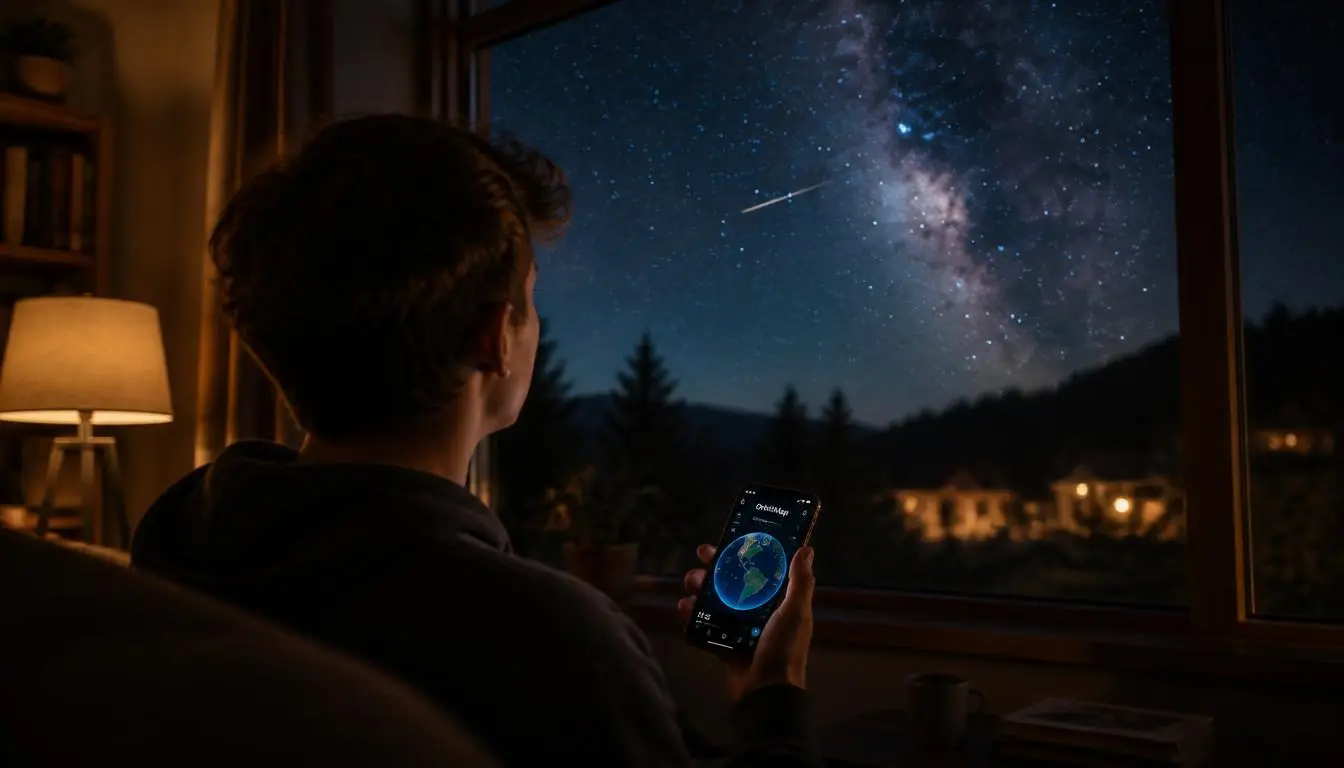
Ever used Google Maps, Apple Maps, or Waze to find a coffee shop? Your phone talks to a network of satellites orbiting the Earth. By calculating how long a signal takes to travel from the satellite to your phone, it pinpoints your exact location on OrbitMap!
📺 Communication & Internet
Satellites allow you to watch live sports from the other side of the world, make international phone calls, and stream movies. They also provide high-speed internet to remote villages, cruise ships, and airplanes where cables can't reach.
🌤️ Weather Forecasting
How do meteorologists know a hurricane is coming days before it hits? Weather satellites take constant pictures of Earth’s atmosphere, tracking clouds, ocean temperatures, and wind patterns to save lives through early warnings.
🔬 Science and Space Exploration
Satellites don't just look down; some look out. Space telescopes like Hubble and James Webb are actually satellites that capture breathtaking images of distant galaxies, helping us understand the universe.
3. How Do They Stay Up There? Why Don't They Fall?
It's a common question: If gravity pulls everything down, why don't satellites crash into Earth?
The secret is speed. Satellites are launched with immense speed (often over 17,000 mph). They are essentially falling toward Earth, but they are moving so fast sideways that they keep missing the Earth! It's a perfect, continuous balance between the forward momentum of the satellite and the gravitational pull of the planet.
Conclusion: The Invisible Infrastructure
Without realizing it, you use satellite technology from the moment you wake up and check the weather, to the moment you order food or navigate to a new city. They are the invisible infrastructure holding our modern, digital world together.
Next time you look at a map on your phone, remember: there's a piece of human ingenuity flying through the vacuum of space right now, just to help you find your way.
See it live, right now
Launch the interactive 3D tracker and watch real satellites orbit Earth in real time.
Launch the Tracker →